
Cataracts
Calgary Optometry Centre answers common eye care questions:
What is a cataract?
 A cataract is a cloudiness that develops in the natural lens of the eye. The natural lens is located inside the eye and is about the size of an aspirin tablet. A healthy, natural lens allows light from images to pass through clearly and focus on the back of the eye (retina). When the lens clouds over, light is distorted and cannot be focussed clearly on the retina.
What a cataract is not
- Cataracts are not a film or cloudiness over the front of the eye
- Cataracts are not caused by overuse of the eyes
- Cataracts are not cancer
- Cataracts do not usually cause permanent blindness
- Cataracts are not life threatening
What causes cataracts to develop?
Most cataracts develop due to age-related chemical changes in the natural lens. This leads to clouding of the lens and vision disruption. Age-related cataracts are most likely after age 55, affecting about half of people over age 65.
Cataracts may develop before age 55 due to specific risk factors like:
- Family history for early cataracts
- Diabetes
- Exposure to harmful chemicals and ultraviolet radiation
- Eye injury (traumatic cataract)
- Medications (steroids)
- Congenital
What are the symptoms of cataracts?
Cataract symptoms are varied and may affect your vision in several ways:
- Cloudy, blurry, foggy or hazy vision
- Double vision or ghosting images
- Colour vision fading or loss
- Need for more light especially when reading
- Increased glare at night-haloes or coloured rings around headlights or streetlamps
How are cataracts detected and diagnosed?
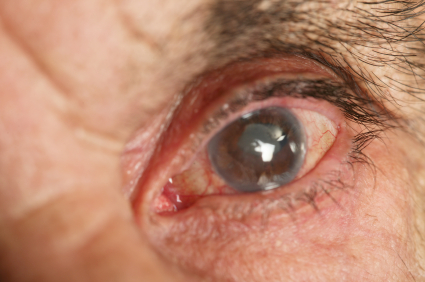 Optometrists and Ophthalmologists are the eye care professionals that have the instrumentation and expertise to diagnose any degree of cataract. This can be done during regular vision and eye health examinations.
When will a cataract need to be treated?
Cataract development varies: sometimes gradually over many years, or rapidly over a few months. In early stages, a change in your spectacle prescription can improve eyesight. As the cataract "matures", your eye doctor will look at considerations such as cataract density and location. Additionally, if the cataracts are interfering with your daily activities like driving, recreation/hobbies, or mobility, then cataract removal should be considered.
How are cataracts treated?
Surgery is the only way to remove a cataract. A cataract surgeon will remove the cataract and replace it with an artificial, plastic lens to help restore clear, comfortable vision. Cataract surgery is usually done on an outpatient basis, and without general anesthesia or stitches. The procedure is relatively uncomplicated and has a high success rate. After surgery, eye health will be evaluated for several months, and new spectacles are usually required to maximize post-cataract vision.
About Cataract Surgery

General information
More Than Just Eye Examinations
Dominica...Working Beyond Borders
Eye Health
Blepharitis-Common Eye Condition
Optical Coherence Tomography (OCT)
Vision
Children's Vision: Back to School
General information
Why Choose Calgary Optometry Centre
Glasses information
Selecting Eyewear for your Face
Lens information
Understanding Your Optometrist's Lens Recommendations
Sunglasses-Protecting your Eyes from Harm
Transitions Lenses…Right in any Light
Seecoat…A New Standard for Anti-Reflective (AR) and Scratch Resistance (SR) Lens Coating
General information
Help for Contact Lens "Dropouts"
Types of Lenses
Soft Contact Lenses: Not All the Same
Daily Disposable Contact Lenses for Spring...even in Colours
Vision