Nutrition and the Eyes
Mounting research is indicating that you can literally eat your way to healthy, lifelong vision. The research has confirmed that proper diet and nutritional supplements can significantly delay or completely prevent many common eye diseases such as dry eyes, cataracts, and age-related macular degeneration (AMD). Nutrition has become particularly important given that eye treatment and surgery options do have limitations and some eyes show serious deterioration that cannot be repaired. A proper diet will reduce the risk of any potential vision loss.
Why Nutrient-rich Foods?
Our bodies are made up of millions of individual cells, each one contributing to a unique function within the body. All parts of our bodies are continually being regenerated, as old cells are replaced by new ones. Additionally, as our body ages its components tend to slowly deteriorate, the biological equivalent of "rusting away" or oxidation. The nutrients from our food are the essential elements in building new cells and counteracting the rusting process. The research indicates that eye tissue regeneration and age related eye degeneration can be significantly affected by nutrition. The nutrients in wisely selected foods can counteract oxidation and slow down the aging of the eyes. You can make a big difference in preserving your eye health and slowing down the aging effects of the eyes.
The Best Foods to Eat for Eye Health
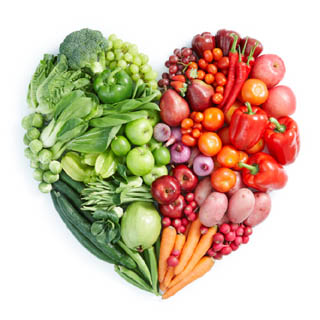
Fruits and Vegetables
A full spectrum of colours is recommended. Specifically,
Research shows that, by eating five to seven servings of fruits and vegetables each day, you greatly reduce your chances of developing cataracts, and other aging eye problems.
Whole Grains and Grain Products
 Whole grains contain high contents of antioxidant vitamins as well as mineral nutrients such as zinc, copper and selenium. These minerals have also been shown to have high antioxidant effects.
Protein Rich Foods
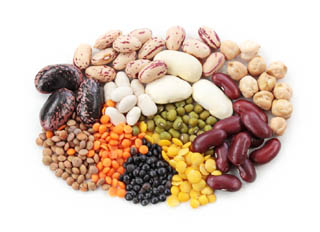
Legumes and nuts are important sources of protein, fibre, vitamins B and E and zinc. Nuts also contain a healthy type of natural fat that can lower harmful cholesterol so blood vessels in the eye do not become clogged.
Potentially Damaging Foods to Eye Health
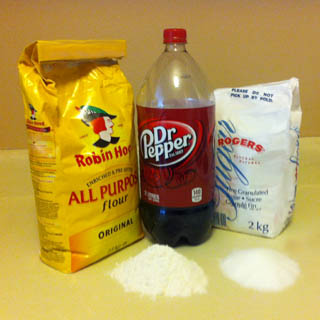
Just as important as what you should eat for good eye health, is what to avoid eating. One study indicated that a person with a diet rich in saturated fat and cholesterol is 80 percent more likely to develop AMD. Another study indicated that chances of retinal problems double with a high cholesterol and fat diet. It is believed that harmful cholesterol may clog the blood vessels in the eye affect the proper nourishment of the eye tissues. It is also wise to avoid excessive sugar and white flour in your diet. High gluten and sugar levels can lead to poor eye health through conditions such as diabetes and a weakened immune system. Cigarette smoking is a significant source of free radicals that can damage eye tissues.
Preventative Measures
The research is quite definitive indicating that eating the right foods can enhance your vision and help to prevent and even treat specific eye diseases and disorders. Vitamin and mineral supplementation to your diet is also available when necessary. Please consult with your Optometrist and family physician to identify your personal eye and general health needs.

General information
More Than Just Eye Examinations
Dominica...Working Beyond Borders
Eye Health
Blepharitis-Common Eye Condition
Optical Coherence Tomography (OCT)
Vision
Children's Vision: Back to School
General information
Why Choose Calgary Optometry Centre
Glasses information
Selecting Eyewear for your Face
Lens information
Understanding Your Optometrist's Lens Recommendations
Sunglasses-Protecting your Eyes from Harm
Transitions Lenses…Right in any Light
Seecoat…A New Standard for Anti-Reflective (AR) and Scratch Resistance (SR) Lens Coating
General information
Help for Contact Lens "Dropouts"
Types of Lenses
Soft Contact Lenses: Not All the Same
Daily Disposable Contact Lenses for Spring...even in Colours
Vision