Ocular Effects of Medications
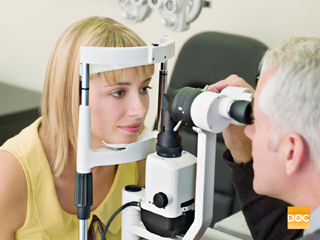 During your eye examination, our optometrists will ask what medications you might be taking. While the medications are needed to control a specific health condition, many medications can have eye side effects. There can be a wide range of reaction depending on the person and dosage. Some medications can have mild, non-sight threatening effects that are treatable, while others have a higher risk to cause permanent vision loss.
We recommend you always read the manufacturer insert and consult with your doctor to educate yourself for potential side effects. Often, your doctor may recommend having your eyes examined initially before you start a medication to establish a baseline reading and then have regular follow up exams to monitor for any eye side effects.
We would like to provide a list of the common medications that have known eye side effects, ranging from the most severe to the least severe side effects.
|
Medication |
Condition |
Ocular Side Effect |
|
Hydroxychloroquine / Plaquenil |
Rheumatoid Arthritis / Lupus |
Corneal / Retinal disease |
|
Prednisone |
Asthma, Rheumatoid Arthritis, Lupus, Colitis, etc. |
Cataracts, Glaucoma |
|
Amiodarone |
Heart Arrhythmia |
Corneal disease |
|
Tamoxifen |
Breast Cancer |
Retinal disease |
|
Anti-histamines |
Allergies |
Dry eyes |
|
Anti-depressants |
Depression |
Blurred vision |
|
Accutane |
Acne |
Dry eyes |
|
Viagra |
Erectile Dysfunction |
Blurred vision, Colour vision defects |
Many of the eye side effects of medications are treatable and reversible, if diagnosed in the early stages. We recommend that you talk to both your family doctor/specialist and your optometrist to determine what eye testing should be done and how often it should be done.

General information
More Than Just Eye Examinations
Dominica...Working Beyond Borders
Eye Health
Blepharitis-Common Eye Condition
Optical Coherence Tomography (OCT)
Vision
Children's Vision: Back to School
General information
Why Choose Calgary Optometry Centre
Glasses information
Selecting Eyewear for your Face
Lens information
Understanding Your Optometrist's Lens Recommendations
Sunglasses-Protecting your Eyes from Harm
Transitions Lenses…Right in any Light
Seecoat…A New Standard for Anti-Reflective (AR) and Scratch Resistance (SR) Lens Coating
General information
Help for Contact Lens "Dropouts"
Types of Lenses
Soft Contact Lenses: Not All the Same
Daily Disposable Contact Lenses for Spring...even in Colours
Vision