Dry Eyes, Part II
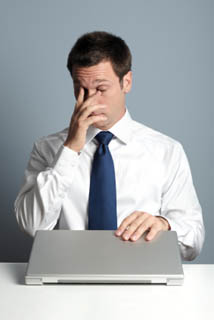
In our previous newsletter, the Winter Dry Eyes article had the highest click through rate of any topic we have ever posted. Many patients came into our offices for dry eye examination or contacted us with follow up questions about dry eyes. Here is more information we would like to share about dry eyes from some of these encounters.
Dry eyes are not the same for everyone
As mentioned in our first article, dry eyes may feel the same from one person to another, but the treatment given may be different to heal the problem. Our doctors will ask questions about possible causes such as environment, other medications, allergies, etc. The eyes will be examined to check for conditions such as infection or allergy that cause dry eyes and might need to be treated at the same time. Then a specific plan will be given to treat your dry eyes.
Not all dry eye drops are the same
When buying dry eye drops, many patients said they weren't sure which ones to buy. Most either picked a familiar name brand or one recommended by the pharmacist. At the most basic levels, the drops will differ by liquid thickness, different dry eye healing components and different or no preservatives in the drops. For example, some dry eye drops can cause dry eyes if you are allergic to the preservatives meant to keep the solution sterile.
Visine is not the solution to dry eyes
Many patients are familiar with the original Visine drops that promise to get rid of red eyes. Red eyes often occur because of dry eyes, but while Visine can make red eyes disappear, it does not treat dry eyes and can make dry eyes worse by masking the dryness. At times, red eyes may return with long term use of Visine drops because of rebound sensitivity to the drops.
Contact lenses can both cause and protect dry eyes
A percentage of contact lens wearers complain of dry eyes, especially in the winter. This is because the lenses can disrupt the normal tear film that protects the eye. If very disruptive, options to reduce contact lens related dry eyes include rewetting drops over the lenses, change of contact lens material or changing to daily disposable contact lenses.
Some patients feel their eyes are drier after contact lens removal. This is because a contact lens is acting like a bandage over the eye to protect the dry surface from external environment factors such as wind and cold, and when the lens is removed, there is increased sensitivity. Our doctors can also treat this type of dry eye.

General information
More Than Just Eye Examinations
Dominica...Working Beyond Borders
Eye Health
Blepharitis-Common Eye Condition
Optical Coherence Tomography (OCT)
Vision
Children's Vision: Back to School
General information
Why Choose Calgary Optometry Centre
Glasses information
Selecting Eyewear for your Face
Lens information
Understanding Your Optometrist's Lens Recommendations
Sunglasses-Protecting your Eyes from Harm
Transitions Lenses…Right in any Light
Seecoat…A New Standard for Anti-Reflective (AR) and Scratch Resistance (SR) Lens Coating
General information
Help for Contact Lens "Dropouts"
Types of Lenses
Soft Contact Lenses: Not All the Same
Daily Disposable Contact Lenses for Spring...even in Colours
Vision