Eye Allergies
Eye allergies or Allergic Conjunctivitis, affects an estimated 20-25% of the general population. This condition can have significant negative effects to quality of life and our doctors have seen all age groups affected by eye allergies-children, adults and the elderly (seniors).
Eye Allergy Signs and Symptoms
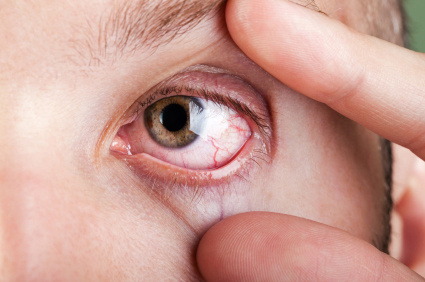
Most patients who suffer from eye allergies experience a combination of the following eye problems:
- Itchiness
- Redness
- Watering/tearing
- Swollen eyelids
- Light sensitivity
- Associated sinus congestion and/or runny nose
Depending on the person’s sensitivity, the eye allergy reaction can cause mild to severe degrees of irritation and discomfort.
Causes and Types of Eye Allergies
Eye allergies are caused by the body’s hypersensitivity reaction to specific irritants. The body responds to these irritants by releasing chemicals called histamines, which causes the eye signs and symptoms listed above. This hypersensitivity is often inherited and noticed in early childhood, but can also develop at any time in life.
Eye allergies can be divided into Seasonal and Perennial Allergic Conjunctivitis.
- Seasonal Allergic Conjunctivitis (SAC) - this type usually affects patients in the spring and fall. Grass, pollens from plants, weeds
and trees are the main triggers.
- Perennial Allergic Conjunctivitis (PAC)-this type occurs less often than SAC, and usually persists year round. The reaction of PAC tends to be less severe than SAC and is usually caused by dust mites, animal dander, mold, perfumes, etc. These patients are more likely to have associated asthma and/or eczema.
Unfortunately, many patients suffer from both SAC and PAC.
Treatment of Eye Allergies
The best defense against allergic conjunctivitis is to avoid exposure to the substances that start an allergic reaction. In reality, avoiding exposure is not always possible. Treatment options include:
- Cold compresses over the eyes
- Use of Artificial Tears
This has the effect of washing out the eyes and diluting some of the allergens that are causing a reaction. This will also treat any dry eyes which makes an allergy patient more vulnerable to an allergic reaction.
- Over the Counter Eye Drops
- Oral Allergy Medications (Anti-histamine pills or syrups)
Again, be careful with these products. They are mainly designed for nasal and other body allergy reactions (such as hives). Side effects include drowsiness, blurred vision, double vision and dry eyes.
- Medicated Eye Allergy Drops
This helps soothe the eyes by dulling the itchy eye feeling, reducing red eyes and relieving lid swelling.
Be Careful! Often these drops can do more harm than good. Without proper guidance, you may be selecting the wrong product, products that have ingredients that can worsen the reaction, or a product that masks the problem. By nature, over the counter drops are very weak formulations that may not relieve a more moderate to severe allergy reaction.
These are prescription eye drops or ointments that will provide the fastest and most effective relief from eye allergies. There are different categories of eye allergy drops to target the type and level of reaction. If you suffer from eye allergies, don’t hesitate to make an appointment to see our Optometrists. The doctor will determine the type and severity of the allergy condition and can write a prescription for the eye allergy medications necessary for treatment.
Other Tips for Preventing Eye Allergies
- Don’t touch or rub your eyes
- Wear sunglasses more often when outdoors
- For contact lens wearers, a temporary change to daily disposable lenses
- Wash your bed linens and pillow cases often
- Wash your hair prior to bed time
- Keep environment free of dust and mold

General information
More Than Just Eye Examinations
Dominica...Working Beyond Borders
Eye Health
Blepharitis-Common Eye Condition
Optical Coherence Tomography (OCT)
Vision
Children's Vision: Back to School
General information
Why Choose Calgary Optometry Centre
Glasses information
Selecting Eyewear for your Face
Lens information
Understanding Your Optometrist's Lens Recommendations
Sunglasses-Protecting your Eyes from Harm
Transitions Lenses…Right in any Light
Seecoat…A New Standard for Anti-Reflective (AR) and Scratch Resistance (SR) Lens Coating
General information
Help for Contact Lens "Dropouts"
Types of Lenses
Soft Contact Lenses: Not All the Same
Daily Disposable Contact Lenses for Spring...even in Colours
Vision